
Starting a Food Business After Training: What Grace Learned at 60
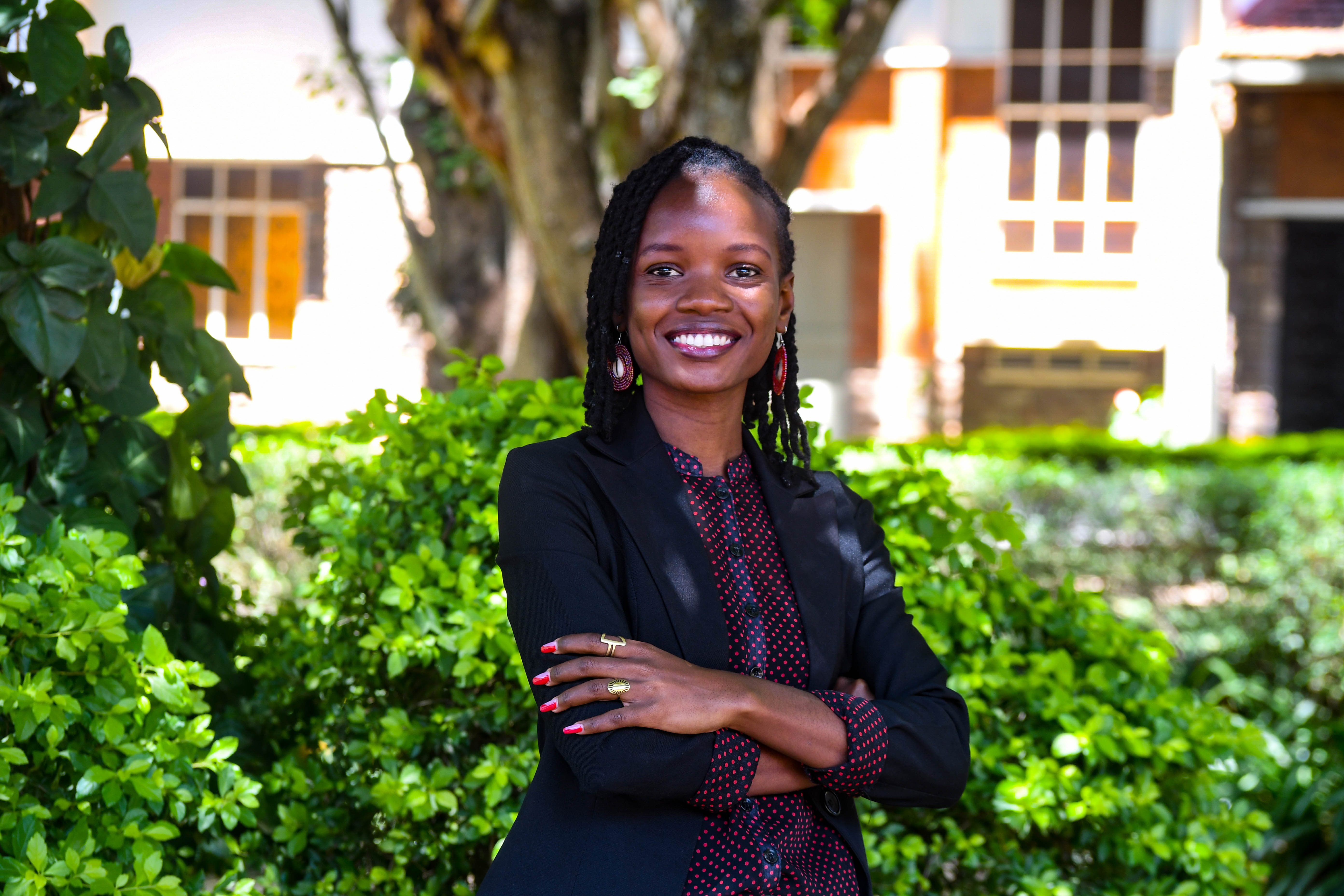
For 15 years, Grace's cakes have been at weddings, graduations and birthdays in Utange, Mombasa County. Her customers loved them. But her business had a ceiling, and she knew it.
A business born out of necessity
Grace started baking about 15 years ago to help feed a household of ten children: her three sons, and the seven children of her late sister, whom she and her husband took in. Two years later, her husband was retrenched, and the cake business became the family's main income.
She had no formal training and no certificate. Growth was slow, and without papers she had trouble with municipal officers.
The day she enrolled herself
The change came by chance. When a niece came from Kisumu to enroll at Tewa Training Centre, Grace went with her, and decided on the spot to enroll too. She joined a group of women sponsored by KCB Foundation in partnership with Nurisha Trust, and took the pastry and bakery course while still running her business and her home.
What changed
At Tewa, Grace learned modern baking techniques and refined her recipes. She added pastries to her menu, which brought in new customers. She earned a professional certificate, and still bakes today, running her business with confidence and legal security.
"The truth is, I never thought I would graduate - even in a small way like this."
As a girl, Grace wanted to go to university. The certificate, she says, "now covers everything."
Read Grace's full story: Grace's Inspiring Journey: From Home Cook to Entrepreneur
Starting a food business after training: what Grace's story shows
Start with what people already buy from you. Grace's cakes were in demand at celebrations long before she trained. Training helped her grow something that already worked.
Get trained and certified. A recognised certificate builds customers' trust and gives you standing with county officers. At Tewa, Bakery & Pastry is a three-month short course.
Get your food handler's certificate. Public health officials require food handlers to hold one, renewed every six months.
Cost every product before you price it. Know what each cake costs in ingredients, fuel and time..
Get the right permit. Ask your county government which business permit you need. Requirements differ by county.
Grow your menu one step at a time. Grace added pastries only after she had mastered them, and they brought in new customers.
It's never too late
Grace enrolled at Tewa at 60.
Since 1999, Nurisha Trust, set up by Kianda Foundation, has trained more than 10,000 women at Kibondeni College in Nairobi and Tewa Training Centre in Kilifi County. Some, like Grace, come to sharpen a business they already run.
Support a woman's training: nurishatrust.org/donate
Frequently asked questions
Can I train if I already run a business? Yes. Grace trained at Tewa while running her cake business and her household. Tewa's short courses last three months.
What short courses does Tewa Training Centre offer? Bakery & Pastry, Food Production & Service, and Housekeeping & Laundry, each three months long.
What do I need to sell food in Kenya? A food handler's certificate from public health officials, renewed every six months, and a business permit from your county government. Check your county's requirements.
Is there help with training costs? Sometimes. Grace's group was sponsored by KCB Foundation in partnership with Nurisha Trust. Contact Tewa through tewa.ac.ke for current options.
Does Nurisha Trust support women who want to start a business? Yes, through practical hospitality training at Kibondeni College and Tewa Training Centre, including food production, baking and costing, which graduates use to work in the industry or run their own food businesses.


Comments